
Your Heart Beats Over 100,000 Times a Day!
A Tireless Wonder Inside You
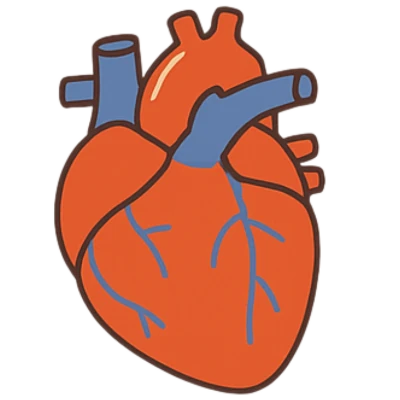
❤️ What Makes Your Heart So Special?
Your heart is a muscular organ located in the center of your chest, slightly to the left. It’s roughly the size of your fist but packs an incredible amount of power. On average, it beats over 100,000 times a day — that’s more than 35 million beats a year!
Every beat pushes blood through a vast network of blood vessels, supplying every single cell in your body with oxygen and nutrients, and carrying away carbon dioxide and waste.
🔬 Breaking Down the Numbers
| Metric | Value |
|---|---|
| Heartbeats per minute | 60–100 (at rest) |
| Heartbeats per hour | ~4,000–6,000 |
| Heartbeats per day | ~100,000 |
| Liters of blood pumped/day | ~7,500 liters (2,000 gallons) |
| Total beats in a lifetime | 2.5 to 3 billion! |
🧠 Controlled by the Brain, Driven by the Body
Even though you don’t think about it, your heart works automatically. It’s controlled by the autonomic nervous system, which means your brain keeps your heart beating whether you’re asleep, working, or playing.
The sinoatrial (SA) node, known as your natural pacemaker, sends out electrical signals that start each heartbeat.
🌬️ Oxygen Delivery and Waste Removal
Your heart plays two main roles:
- Right Side → Pumps oxygen-poor blood to the lungs to pick up oxygen and release carbon dioxide.
- Left Side → Pumps oxygen-rich blood to the rest of the body, feeding your organs and tissues.
🌍 Universal but Unique
- Athletes often have slower resting heart rates because their hearts are more efficient.
- Babies’ hearts beat faster – sometimes up to 140 times per minute.
- Emotional states like fear, excitement, or stress can make your heart beat faster. This is the body’s “fight or flight” response in action!
🧩 Fun Facts
- The heart creates enough energy in one day to drive a truck for 20 miles.
- All the blood vessels in your body combined could circle the Earth more than twice!
- Your heart doesn’t rest — it’s the hardest-working muscle in your body.
🧪 Try It Yourself!
🖐️ Find your pulse (wrist or neck), count your heartbeats for 15 seconds, and multiply by 4. That’s your beats per minute (BPM).
📅 Now imagine that going on all day, every day — without you even noticing.
🧠 Curious Question to Ponder
What happens if the heart skips a beat? Or beats too fast or too slow? That’s when your heart may be telling you it needs a little help — through lifestyle, medication, or medical care.